 (Image via
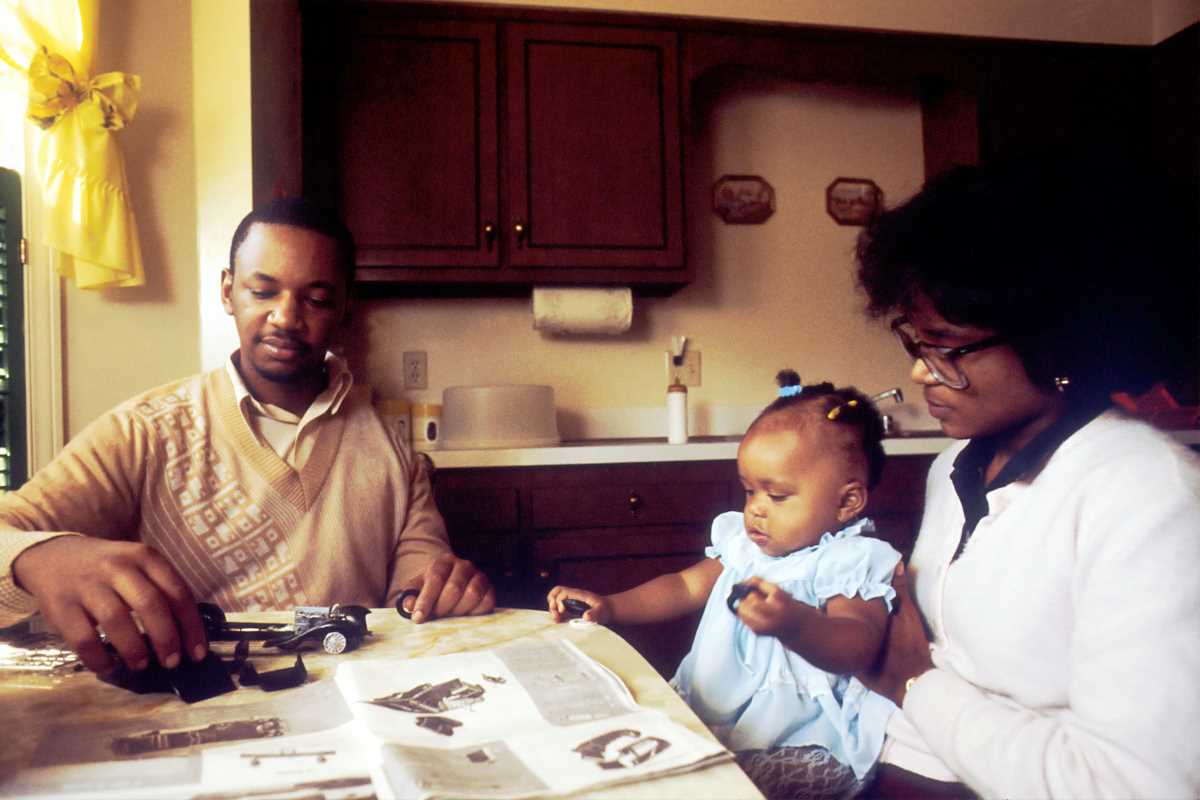
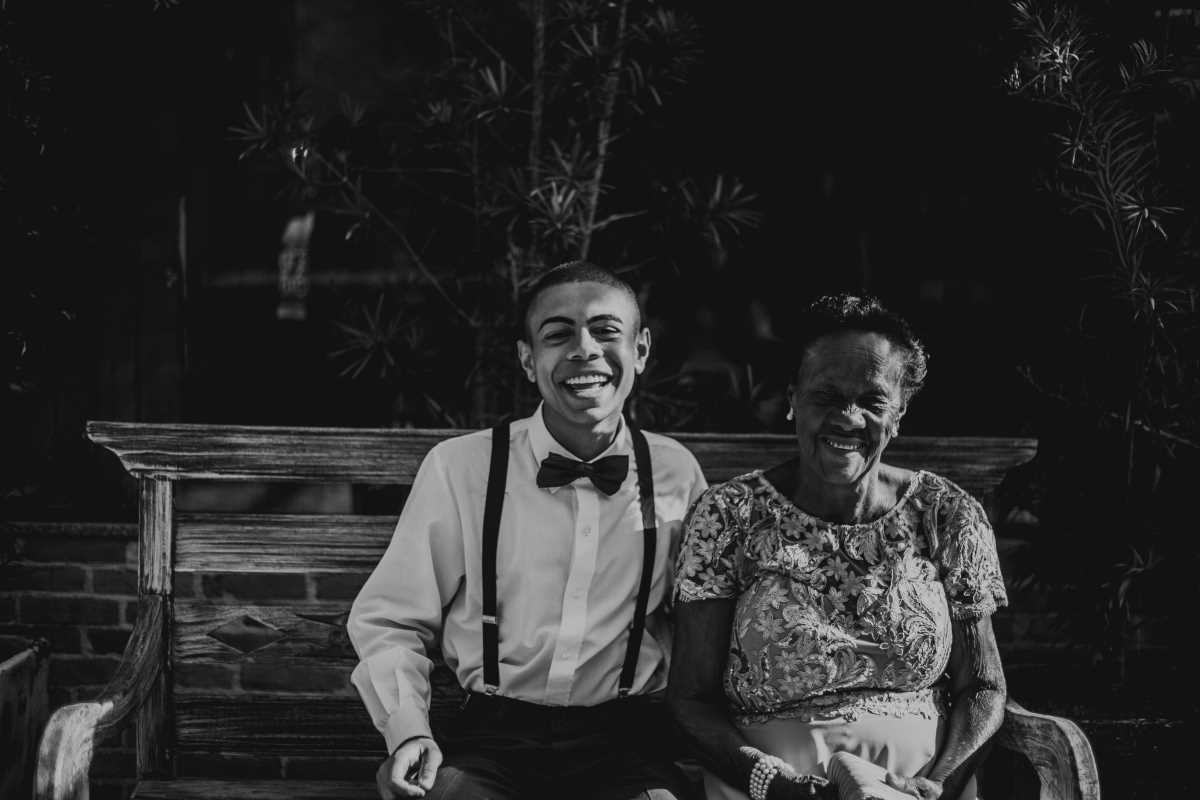
Have you ever sat on your grandmother’s porch, listening to her talk about the “old days”? Maybe you’ve heard the same family story a dozen times at Thanksgiving, the one that gets a little more dramatic with each telling. For many African-American families, these moments are more than just casual conversation. They are part of a deep, powerful tradition of storytelling that has been a lifeline for generations.
This isn’t just about sharing funny memories. It’s a practice that was born out of necessity and has grown into a beautiful art form. From the shores of West Africa to the front porches of today, storytelling has been the way Black families preserve history, pass down values, and build resilience. It’s a legacy that’s woven into the very fabric of the community.
Let's explore why this tradition is so significant and how it continues to shape identity today.
A Tradition Rooted in History
To understand the importance of storytelling in Black families, you have to go back in time. Long before they were brought to America, West African societies had rich oral traditions. History wasn't written in books; it was held in the memories and voices of griots, the official storytellers and historians of their communities. They were the living libraries, responsible for remembering genealogies, historical events, and cultural laws.
When Africans were enslaved and brought to the Americas, they were stripped of everything—their homes, their freedom, and their possessions. It was illegal for them to learn to read or write. In this brutal new reality, the one thing that couldn't be completely taken away was their voice. Oral tradition became a powerful tool of survival.
Through stories, enslaved people could:
- Preserve a piece of their identity: They shared African folk tales, songs, and proverbs, keeping a connection to the cultures they were forced to leave behind.
- Teach and guide: Stories were used to teach children how to survive the harsh realities of slavery, often using coded language and metaphors.
- Build community and hope: Gathering to share stories was an act of defiance. It created a sense of shared experience and reminded people that they were not alone.
These stories were not just entertainment; they were acts of resistance. They were a way of holding onto humanity in a system designed to crush it.
The Threads That Weave the Stories
Over the centuries, certain themes have become central to African-American storytelling. These are the threads that appear again and again, connecting the past to the present.
1. Family and Ancestry
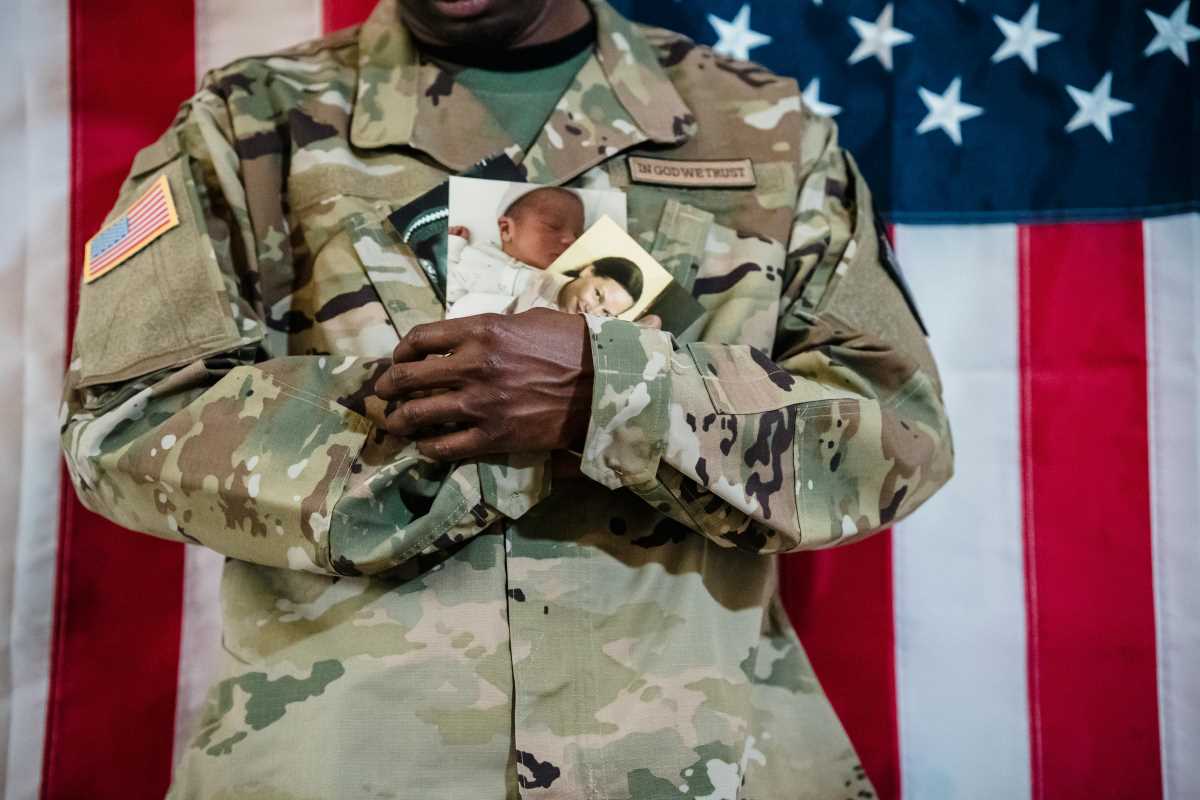
At its heart, Black storytelling is about family. Stories about great-grandparents who were sharecroppers, aunts who were activists in the Civil Rights Movement, or uncles who were the first in the family to go to college are incredibly important.
These aren't just names on a family tree. They are tales of strength, sacrifice, and triumph. They give younger generations a sense of where they come from and a foundation to build upon. Hearing about the struggles and successes of your ancestors can be a powerful source of pride and inspiration. It reminds you that you come from a line of people who persevered.
2. Faith and Spirituality
Faith has always been a cornerstone of the Black community, and it's a powerful theme in storytelling. Many stories revolve around the role of the church, the power of prayer, and the belief in a higher power that provides strength in times of trouble.
These are stories of hope and deliverance. They often draw parallels to biblical tales, like the Israelites escaping Egypt, which resonated deeply with people fighting for their own freedom. This spiritual thread provided comfort and a sense of purpose, reinforcing the idea that even in the darkest times, there is a reason to keep going.
3. The Fight for Freedom
The quest for freedom is a central narrative in African-American history, and it fuels some of the most powerful stories. These include tales of escape on the Underground Railroad, stories of protest and activism during the Civil Rights era, and personal accounts of breaking down barriers in education and the workplace.
These stories are not just about the big, historical moments. They are also about the small, everyday acts of defiance—the personal choices to demand respect, to pursue an education, or to create a better life for one's children. They teach that freedom is something you must constantly fight for and protect.
Storytelling in the Modern Age
So, does this tradition still matter today? Absolutely. While the methods may have changed, the spirit of storytelling is as strong as ever.
Today, you can see it in:
- Family Reunions: These gatherings are often centered around sharing stories. The elders hold court, passing down family history to the younger generations, while everyone shares their own recent experiences, adding new chapters to the family saga.
- Social Media: Platforms like Instagram and TikTok have become modern-day front porches. People share videos of their grandparents telling stories, create posts about their family history, and use digital tools to preserve and share their heritage in new and creative ways.
- The Arts: Black authors, filmmakers, and musicians continue to draw on this oral tradition. From the novels of Toni Morrison to the lyrics of Kendrick Lamar, the art of storytelling is used to explore the Black experience, celebrate the culture, and challenge social injustice.
The tools may have evolved from campfires to phone screens, but the purpose remains the same: to connect, to educate, and to empower.
Why We Must Keep Telling Our Stories
The legacy of storytelling in African-American families is more than just a cultural habit. It is a powerful act of preservation. In a world that has often tried to erase or distort Black history, these personal narratives ensure that the truth is remembered and passed down.
These stories provide a sense of identity and belonging. They answer the fundamental question, "Who am I?" by connecting individuals to a larger community and a rich history. They teach resilience by showing that generations of people have faced incredible challenges and not only survived but thrived.
So, the next time you are with your family, listen closely. Ask your elders about their lives. Record their voices. Write down what you hear. Every story is a precious piece of a much larger puzzle.
By continuing to tell these stories, you are not just honoring your ancestors; you are carrying a torch. You are ensuring that the legacy of strength, resilience, and hope that defines the African-American experience will never be forgotten. You are becoming a part of the story yourself.