 (Image via
The "American Dream" has needed a remix for a long time. For decades, the vision was pretty standard—get a job, buy a house with a white picket fence, retire at 65, and maybe buy a boat if you’re feeling fancy. It was all about individual hustle and climbing that ladder solo. But if you look around today, especially within Black, Latino, Asian, and Indigenous communities, you’ll see that the script is being flipped.
We aren't just chasing the old dream; we’re rewriting it entirely. The new American Dream isn’t just about "me"; it’s about "we." It’s less about a lonely rise to the top and more about lifting the whole block up with you. It’s vibrant, it’s inclusive, and honestly? It’s a lot more sustainable.
From starting side hustles that turn into empires to reclaiming cultural traditions that were once pushed aside, minority families are showing that success doesn't have to look one specific way. Let's dive into how these communities are reshaping the narrative and proving that the best dreams are the ones we build together.
Moving From Individual Success to Collective Wins
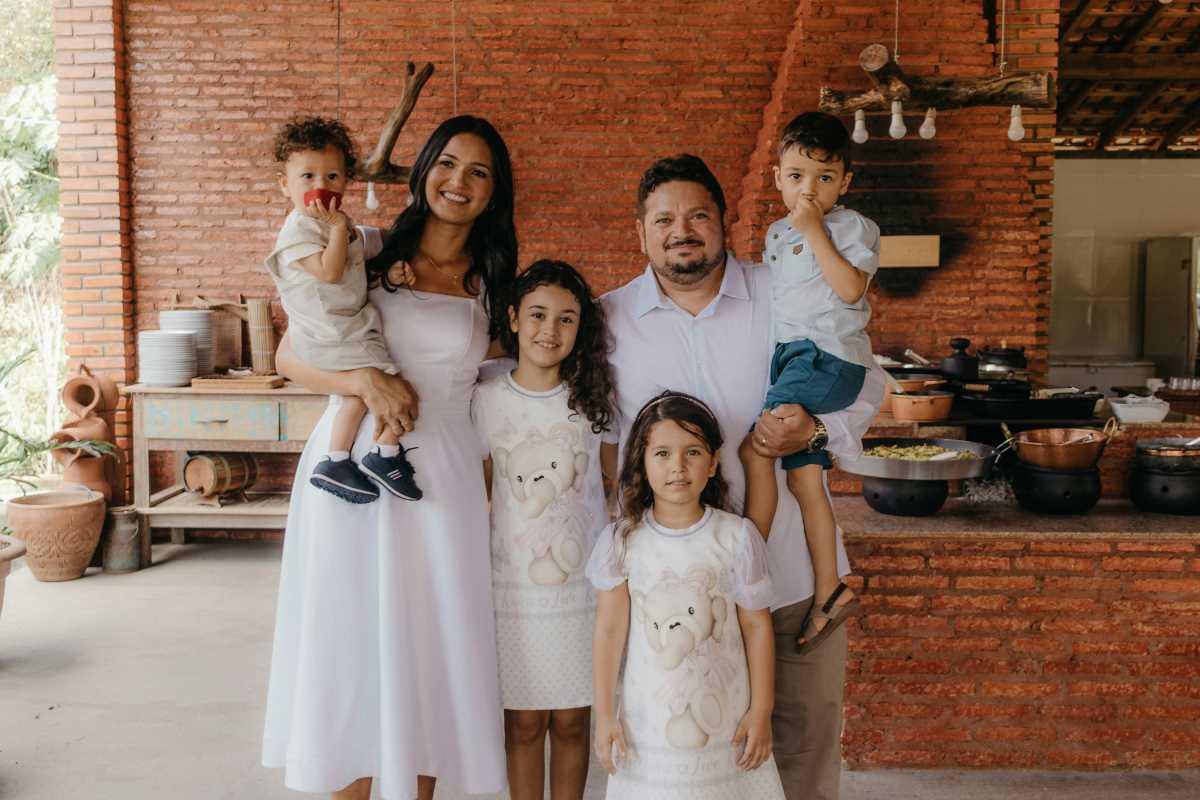
One of the biggest shifts we’re seeing is a move away from hyper-individualism. In many minority cultures, family doesn’t just mean mom, dad, and kids. It means everyone—grandparents, cousins, tias, aunties, and neighbors who might as well be blood. This deep sense of community is changing how people view success.
The Village Mindset
For a long time, the standard advice was to leave home to "make it." You had to move to the big city, get the big job, and maybe visit home for the holidays. But now? We’re seeing a massive return to the village mindset. Young professionals are moving back to their hometowns not because they failed, but because they want to invest in their communities.
They are buying homes near their parents to help with caretaking. They are pooling resources to start family businesses. It’s a recognition that wealth isn’t just about what’s in your bank account; it’s about the strength of your support system. When one person wins, the whole family wins.
Multi-Generational Living is a Flex
Remember when living with your parents in your 20s (or 30s) was seen as a lack of ambition? That stigma is vanishing fast. For many minority families, multi-generational households are a strategic power move. It’s not just about saving on rent (though, in this economy, that’s a huge plus). It’s about sharing the load.
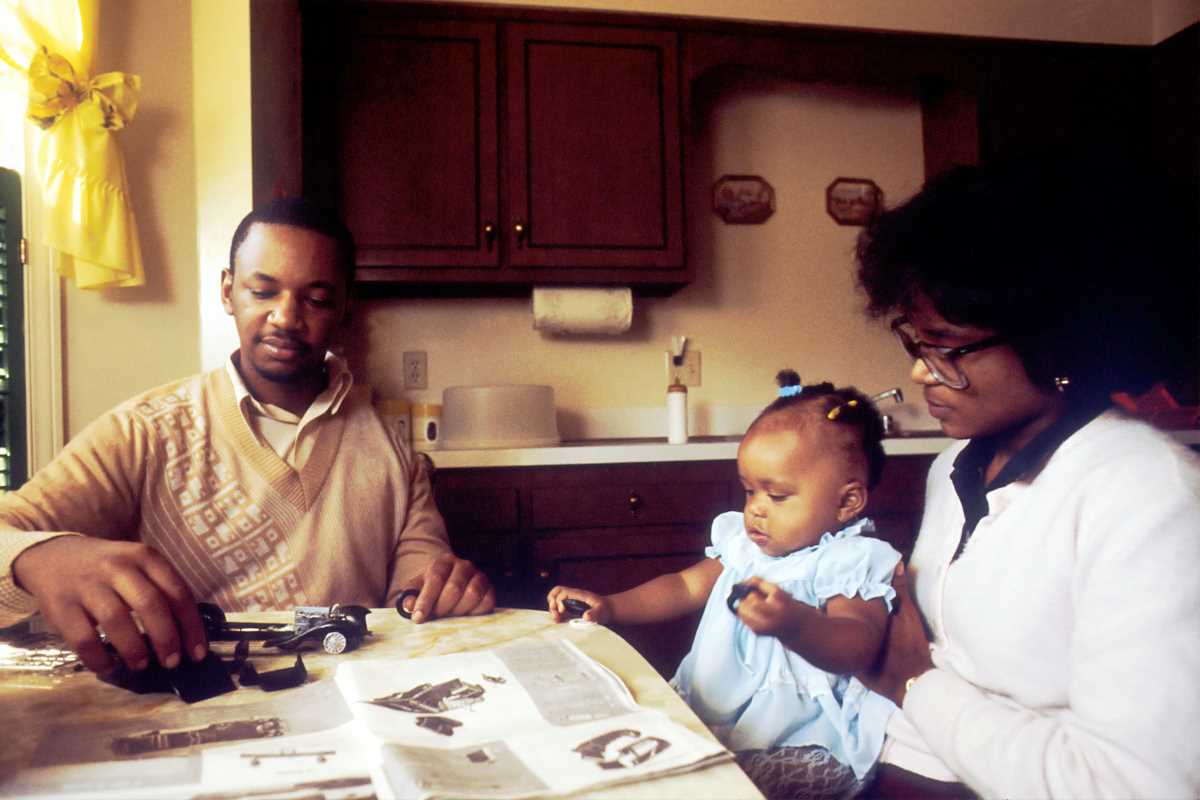
Grandparents get to pass down wisdom and language to the grandkids. Parents get built-in childcare. Young adults get the financial breathing room to save for a home or start a business. It’s an ecosystem of support that allows everyone to thrive. It’s redefining independence not as doing it alone, but as having the freedom to build a life with the people you love.
Entrepreneurship With a Purpose
The entrepreneurial spirit in minority communities is unmatched. But the motivation often looks different. It’s not just about becoming a CEO; it’s about autonomy, creating safe spaces, and solving problems that mainstream industries have ignored.
Building Generational Wealth
For many families, starting a business is a way to break cycles of poverty and build something that lasts. We see this in the explosion of Latino-owned construction firms, Black-owned tech startups, and Asian-owned creative agencies. These aren't just jobs; they are legacies.
Take my friend Marcus, for example. He didn't just want a corporate job; he wanted to own his time. He started a sustainable streetwear brand that celebrates his heritage. Now, he employs his younger cousins and sources materials from eco-friendly vendors. He’s building wealth, yes, but he’s also building a blueprint for the next generation to follow.
The Side Hustle as a Cultural Connector
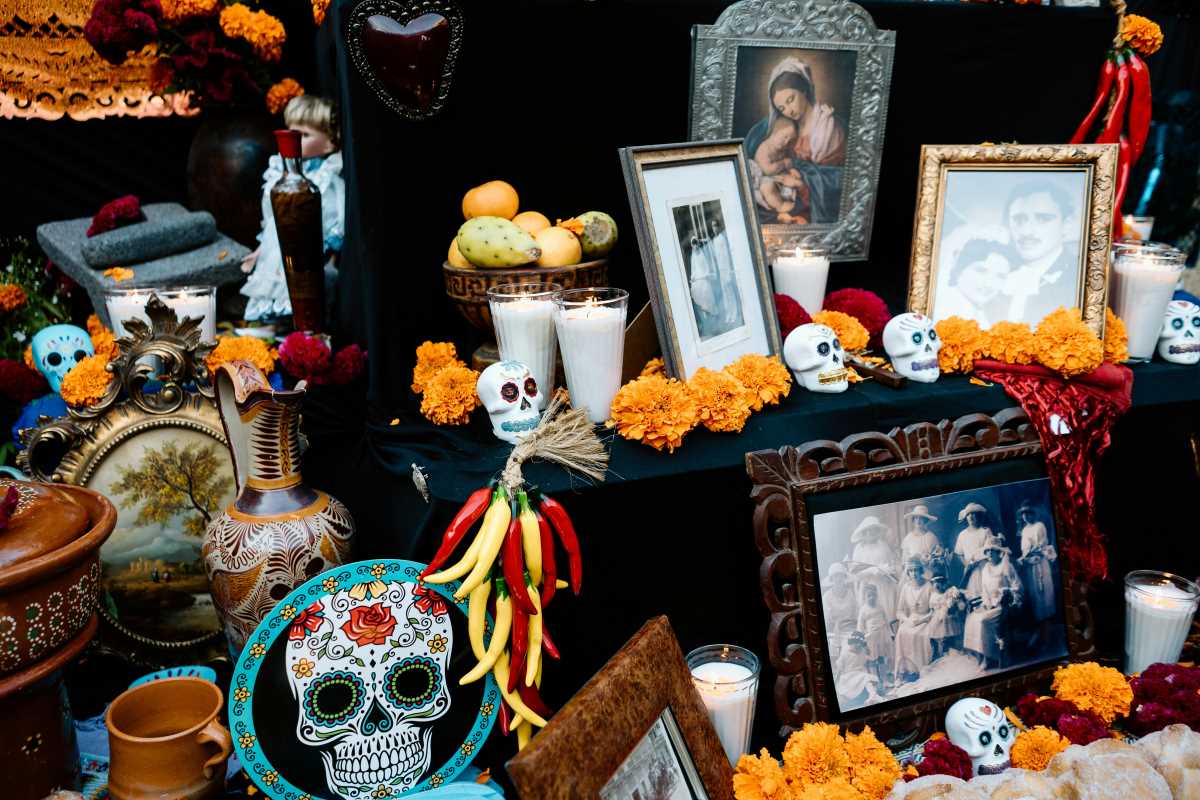
We are also seeing a rise in businesses that double as cultural preservation. Whether it’s a bakery that uses an abuela’s secret recipes or a digital platform teaching Indigenous languages, these ventures are keeping traditions alive while generating income.
It’s about monetization without assimilation. You don’t have to water down your culture to be successful. In fact, authenticity is the new currency. People want to buy from brands that have a story, a soul, and a connection to something real. Minority entrepreneurs are proving that your heritage is your greatest asset.
Reclaiming and Preserving Culture
For a long time, the "melting pot" ideal suggested that to be American, you had to blend in. You had to lose your accent, change your name, and leave your traditions at the door. But Gen Z and Millennials in minority families are saying a hard "no" to that.
The Anti-Assimilation Movement
The new American Dream is distinct, loud, and proud. It’s about reclaiming names that were once Anglicized. It’s about wearing natural hair in corporate boardrooms. It’s about speaking Spanglish, Taglish, or AAVE without code-switching constantly.
We are seeing a renaissance of cultural pride. Families are prioritizing language schools on weekends. They are traveling back to their ancestral homelands not just for vacation, but to reconnect with their roots. This isn’t about rejecting Americanness; it’s about expanding what American looks like. It’s the realization that you can be fully American and fully you.
Food as Resistance
Food has always been a love language, but now it’s also a form of resistance. We’re moving away from the "ethnic aisle" mentality. Minority chefs are taking up space in the fine dining world, elevating street food to Michelin-star status, and refusing to compromise on spice levels.
But it’s also happening at home. Families are making a conscious effort to learn traditional recipes. It’s about preserving the flavors of home so they don’t get lost in the shuffle of assimilation. It’s a delicious way of saying, "We are still here."
Prioritizing Wellness Over Grind Culture
The "grind until you drop" mentality? That’s out. Minority communities, who have historically carried the weight of labor in this country, are leading the charge in prioritizing rest and mental health.
Breaking Generational Trauma
There is a powerful conversation happening around healing. We are acknowledging that "strong" doesn't have to mean "silent" or "suffering." Families are going to therapy together. They are talking openly about anxiety and depression.
This is a radical shift. For previous generations, survival was the only goal. Now, the goal is thriving. It’s about breaking cycles of trauma so the next generation doesn't have to carry that baggage. Redefining success means having peace of mind, not just a full bank account.
Joy as a Radical Act
In a world that often highlights the struggles of minority communities, focusing on joy is revolutionary. We see this on TikTok and Instagram—Black joy, Latino joy, Asian joy. It’s families dancing in the kitchen, celebrating graduations with air horns, and just existing loudly and happily.
This pursuit of happiness is central to the new American Dream. It’s the belief that we deserve ease. We deserve vacations. We deserve to take up space and enjoy our lives without apology.
Why This Matters for Everyone
You might be thinking, "That’s great for them, but what does it mean for the country?" Here’s the tea: when minority families redefine the American Dream, they expand the possibilities for everyone.