 (Image via
In a world that’s constantly changing, some things are built to last. For Black families, certain traditions aren’t just habits; they are powerful expressions of love, resilience, and identity. They are the threads that stitch generations together, creating a beautiful and unbreakable tapestry. These are the practices that have been passed down through triumph and struggle, and they continue to be the heartbeat of Black love and family life.
From the smell of Sunday dinner filling the house to the organized chaos of a summer family reunion, these traditions are more than just activities. They are sacred spaces where history is shared, values are taught, and bonds are strengthened. Have you ever wondered why these rituals feel so important?
Let's take a look at some of these enduring traditions and celebrate the magic they bring to Black families.
The Sunday Dinner: More Than Just a Meal
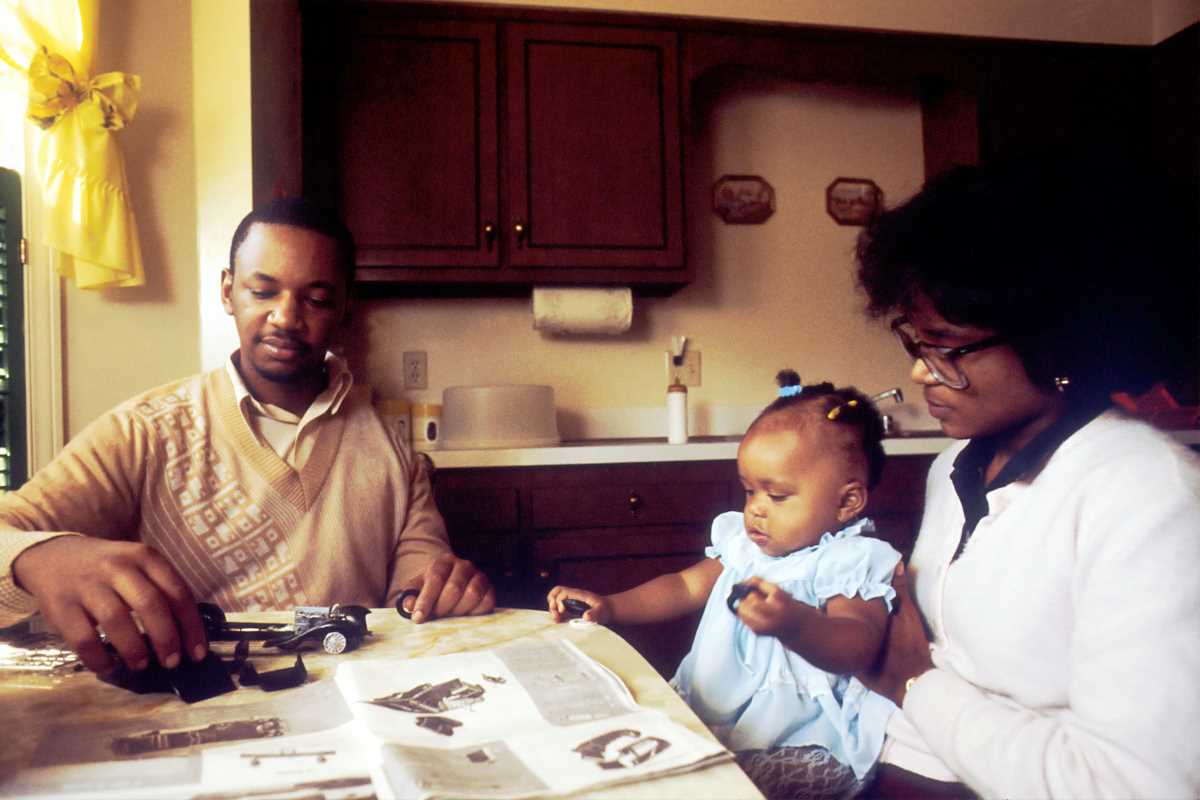
Is there anything more iconic than Sunday dinner at a Black household? It’s a tradition that goes far beyond just eating. It's a weekly reunion, a therapy session, and a comedy show all rolled into one. The menu might change—it could be fried chicken and mac and cheese one week, or collard greens and cornbread the next—but the purpose remains the same: to gather, connect, and refuel for the week ahead.
The Sunday dinner table is where:
- Stories are told: Grandma shares tales about the "old days," giving the younger generation a living link to their history.
- Life lessons are taught: It’s where you learn about respect, community, and how to handle your business, often through a mix of serious talks and loving jokes.
- Support is given: It's a safe space to talk about your week, share your struggles, and get advice from the people who know you best.
This tradition is a powerful act of community-building. In a world that often moves too fast, the Sunday dinner forces everyone to slow down, put their phones away, and be present with one another. It's a ritual of love, served up on a platter.
The Family Reunion: A Pilgrimage of Pride
The Black family reunion is an event unlike any other. It’s a massive, multi-day celebration that often requires months of planning, matching t-shirts, and a whole lot of patience. People travel from all over the country to reconnect with relatives they might only see once a year, and it’s always worth it.
What makes the family reunion so special?
- It’s a celebration of survival and success: For a people whose families were once systematically torn apart, the ability to gather in large numbers is a powerful act of defiance and triumph. It’s a visual representation of a family tree that refused to be broken.
- It’s a living history lesson: The reunion is where the family’s history is pieced together. Elders share stories, old photos are passed around, and the younger generation learns where they come from. It connects them to a lineage of strength and perseverance.
- It’s about belonging: In a society where Black people can often feel marginalized, the family reunion is a space of unconditional acceptance. You are surrounded by people who look like you, who understand your experiences, and who celebrate you for who you are.
The reunion is more than just a party. It’s a pilgrimage. It's a journey back to your roots to honor the past, celebrate the present, and build a foundation for the future.
Storytelling: The Oral Tradition Lives On
Long before it was legal for Black people to read or write in America, history was passed down orally. Storytelling was a tool for survival, education, and cultural preservation. That tradition is still incredibly strong today.
In Black families, stories are everywhere. They are told on front porches, in barbershops, and around the kitchen table. These aren’t just any stories; they are powerful narratives that:
- Preserve family history: Tales of great-grandparents who were sharecroppers, or aunts who marched for civil rights, keep the family’s legacy alive.
- Instill values: Stories about overcoming obstacles teach resilience. Fables and folk tales pass down moral lessons in a way that is engaging and memorable.
- Create a sense of identity: Hearing the stories of your ancestors helps you understand who you are. It gives you a sense of pride and a foundation to stand on.
This oral tradition is a dynamic, living art form. Each time a story is told, it might change a little, but its core message of strength and hope remains.
Why These Traditions Endure
These traditions have survived for so long because they serve a deep human need for connection and belonging. In a world that has not always been kind to Black people, these rituals created safe havens of love, support, and affirmation.
They are a form of resistance. By gathering, celebrating, and telling their own stories, Black families have consistently pushed back against negative stereotypes and asserted their own humanity. These traditions are a declaration that says, "We are here. We have a history. We are proud."
They also provide a crucial sense of stability. In times of uncertainty, these familiar rituals are an anchor. They remind us that no matter what happens in the outside world, we have a community that will always have our back.
Keeping the Flame Alive
In our busy, modern lives, it can be a challenge to maintain these traditions. But it is more important than ever to make the effort. Preserving these practices is about honoring our ancestors and giving a gift to future generations.
So, how can you help keep these traditions alive?
- Show up: Go to the family reunion. Make time for Sunday dinner. Be present.
- Listen and learn: Ask your elders to tell you stories. Write them down or record them.
- Participate: Offer to help cook, plan the reunion, or organize a family game night.
- Start your own traditions: It’s also okay to create new rituals that reflect your family’s unique personality while still honoring the spirit of the old ones.
Black love and family traditions are a testament to the enduring power of community. They are a source of immeasurable strength, joy, and pride. By continuing to practice them, we ensure that this beautiful legacy will never fade.