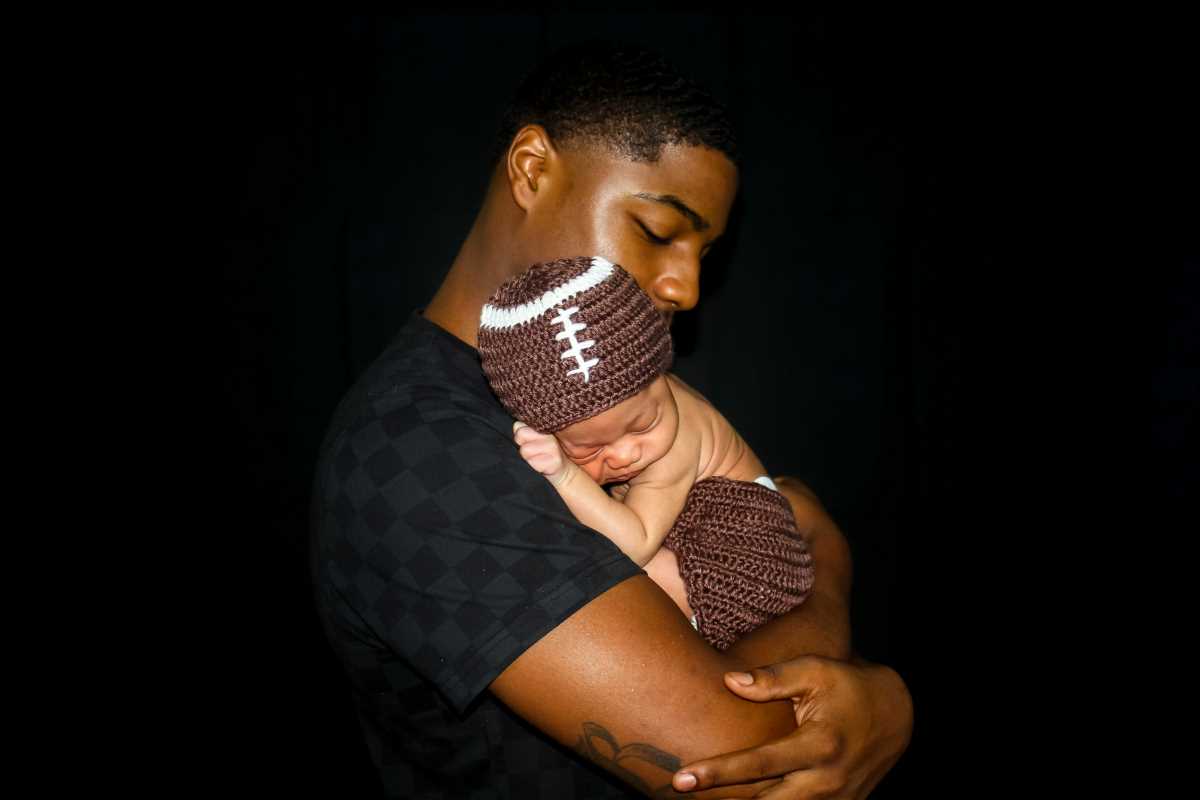
 (Image via
When you think about Black fatherhood, what’s the first image that comes to mind? For a long time, the dominant narrative pushed by media has been a negative one, focusing on absence and struggle. It’s a tired, incomplete picture that has done a massive disservice to millions of men. Because if you look closer, beyond the stereotypes, you’ll see a story of quiet strength, unwavering love, and incredible resilience.
Black fathers are present, engaged, and deeply invested in their families and communities. They are the coaches, the mentors, the protectors, and the providers. They are the men teaching their daughters how to be confident and their sons how to be compassionate. They are showing up every single day, often against the odds, and it’s time we gave them the shine they deserve.
Let's get real about the true story of Black fatherhood and celebrate the quiet strength that holds so much of the world together.
Challenging the Outdated Narrative
The stereotype of the "absent Black father" is one of the most persistent and damaging myths out there. But the data tells a completely different story. Studies from the CDC have shown that Black fathers are often more involved in their children's daily lives than their white or Hispanic counterparts.
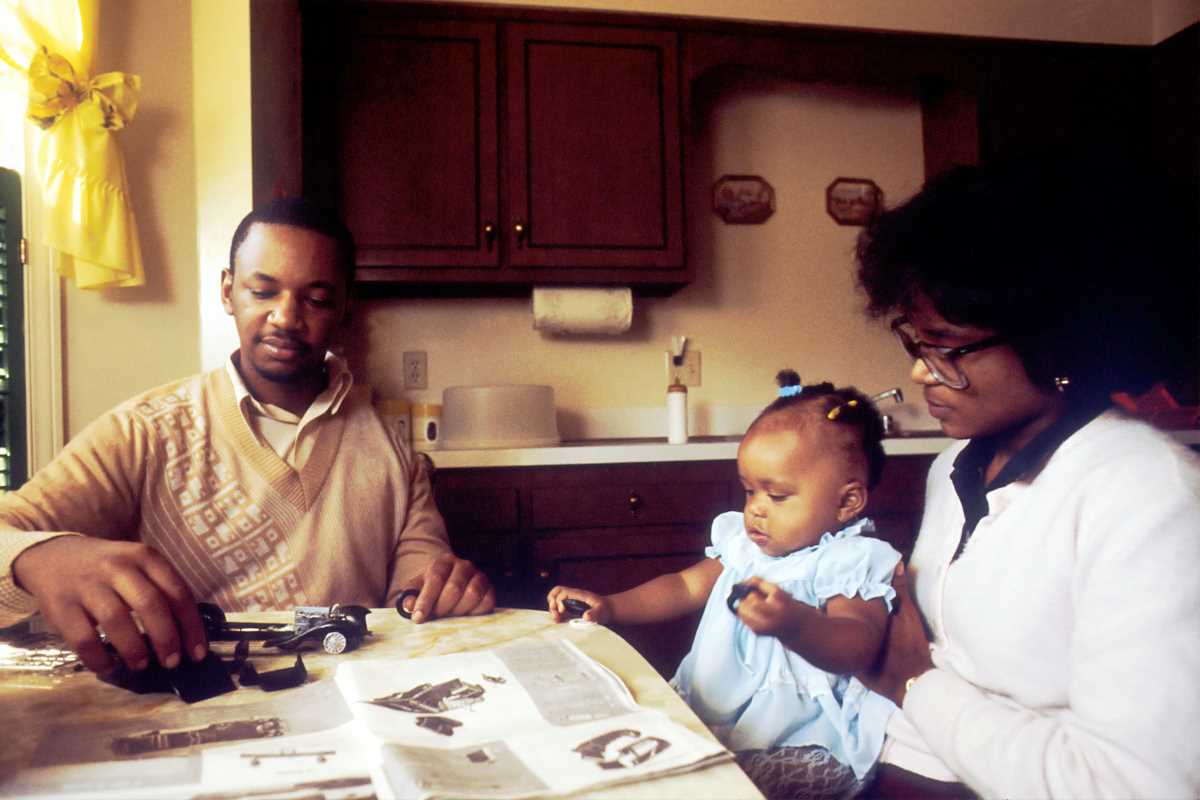
Whether they live with their children or not, Black dads are more likely to be involved in day-to-day activities like:
- Helping with homework
- Bathing, dressing, and feeding their kids
- Reading to them every day
- Taking them to and from activities
This isn’t a new trend; it’s a reality that has been ignored for far too long. The narrative of absence is a lazy one that overlooks the systemic challenges—like mass incarceration and economic inequality—that have historically created barriers for Black families. Despite these hurdles, Black fathers have continued to show up, proving that their commitment is powerful.
The Many Faces of Black Fatherhood
There is no single way to be a Black father. Their strength comes in many forms, often in quiet, everyday moments that don't make headlines but shape lives in profound ways.
The Gentle Protector
In a world that can be harsh and unforgiving, especially for Black children, a father’s presence is a source of safety and security. This isn’t just about physical protection; it’s about emotional safety.
It’s the dad who creates a space where his kids can be vulnerable, where they can cry, and where they can express their fears without judgment. It’s the father who teaches his son that strength isn’t about being tough all the time but about being kind and emotionally honest. It’s the dad who affirms his daughter’s beauty and intelligence, building her confidence so she can face the world with her head held high.
The Everyday Teacher
Black fathers are often their children’s first and most important teachers. They pass down lessons that can’t be learned in a classroom.
They teach resilience by sharing their own stories of overcoming adversity. They teach resourcefulness, showing their kids how to make something out of nothing. They teach the importance of community by demonstrating what it means to show up for your neighbors. These lessons are passed down through a barbecue lecture, a talk during a haircut, or a quiet conversation on a long car ride.
The Pillar of the Community
The impact of Black fathers extends far beyond their own homes. They are often the unsung heroes of their communities. You see them on the sidelines, coaching the local youth basketball team after a long day at work. You see them mentoring young men who may not have a father figure at home. You see them organizing neighborhood watch groups or volunteering at local events.
Their presence creates a network of support that strengthens the entire community. They are models of leadership and responsibility, showing the next generation what it means to be an engaged citizen.
Why Positive Representation Matters So Much
If the reality of Black fatherhood is so positive, why don’t we see it more often? The lack of positive representation in media has real-world consequences. When the only images you see are negative, it reinforces harmful stereotypes and affects how Black men are perceived by society—and even how they perceive themselves.
We need more stories that show the full picture. We need more characters like Uncle Phil from The Fresh Prince of Bel-Air, who was a pillar of strength, wisdom, and love. We need more real-life examples like the dads we see on social media, braiding their daughters’ hair, doing viral dances, and sharing tender moments with their sons.
When a young Black boy sees a father on screen who is loving, present, and emotionally available, it gives him a blueprint for the man he can become. When the world sees these images, it helps to dismantle the prejudices that have been built up over generations.
The Quiet Strength Is the Loudest Love
The strength of Black fatherhood isn't always loud and flashy. It’s not always found in grand gestures.
It’s the quiet strength of a father working two jobs to make sure his kids have what they need.
It’s the quiet strength of a dad patiently teaching his child how to ride a bike.
It’s the quiet strength of showing up to every parent-teacher conference, every recital, and every game.
It’s the quiet strength of a comforting hug after a bad dream.
This quiet strength is a form of love that is deep, consistent, and powerful. It’s a love that builds character, fosters resilience, and creates a legacy of pride.
It’s time to change the conversation around Black fatherhood. Let’s actively reject the old, tired stereotypes and celebrate the truth. Let’s lift up the Black fathers in our lives and in our communities. Thank them, acknowledge their efforts, and share their stories.