 (Image via
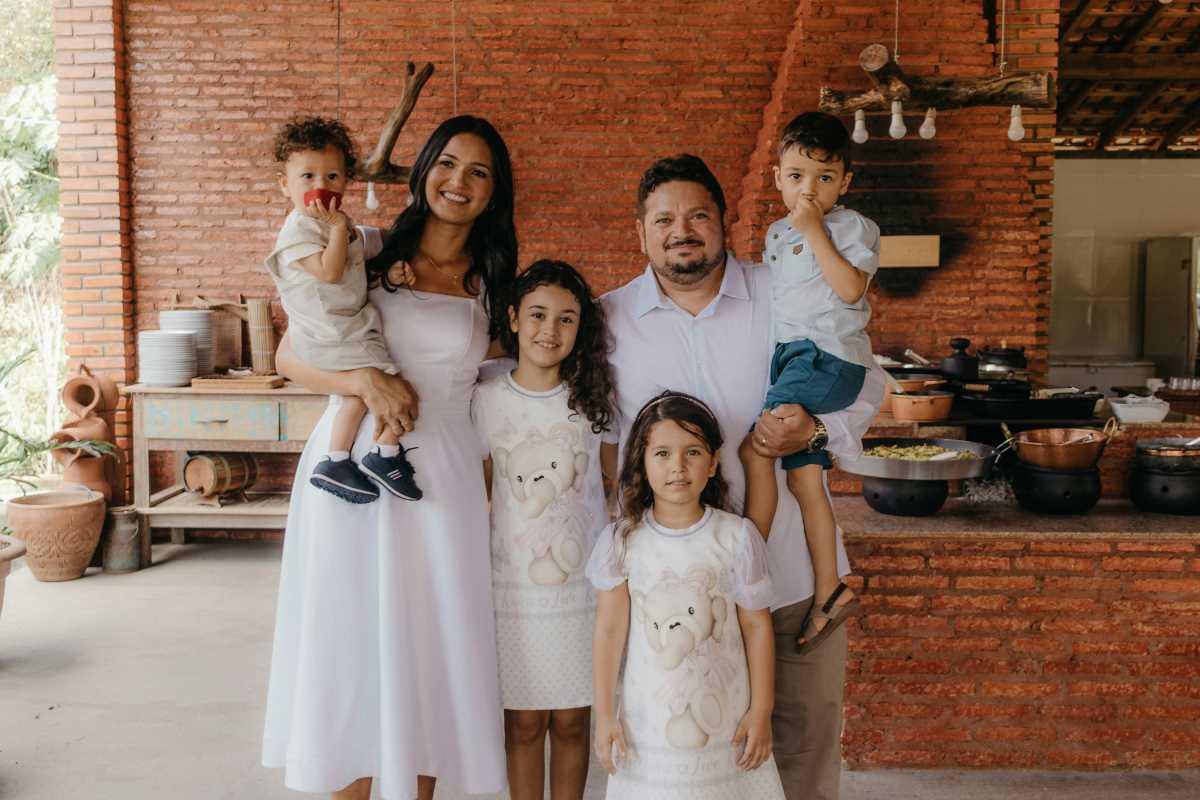
My Abuela’s kitchen has a specific energy. It’s not something you can bottle or manufacture. It’s a living, breathing force field of love, chaos, and the unmistakable scent of sofrito hitting hot oil. You feel it the second you walk through the door. The air gets thicker, warmer. The usual silence of the house is replaced by the rhythmic chop of a knife, the sizzle of a pan, and a playlist of old-school salsa that she’s probably been curating for 50 years.
There’s a shift in the atmosphere when Abuela is cooking. It’s more than just making a meal; it’s an event. It’s a signal to the entire family that for the next few hours, this small kitchen is the center of our universe. And honestly? It’s the best feeling in the world.
The Kitchen as the Heartbeat of the Home
I have this distinct memory from when I was about ten years old. I was sitting at her small, rickety kitchen table, supposedly doing my homework, but really just watching her. She moved with a kind of practiced grace, a dance she had perfected over decades. She didn’t use measuring cups or spoons. A "poquito" of this, a "pizca" of that—her hands just knew.
She was making arroz con pollo, a dish so fundamental to my childhood it might as well be my blood type. The kitchen was filled with the aroma of onions, garlic, and peppers sautéing into a fragrant base. The sound was a symphony: the scrape of the wooden spoon against the bottom of her giant caldero, the clank of the lid, and her soft humming along to a Celia Cruz song playing on the small radio perched on the windowsill.
I asked her how she knew how much of everything to add. She turned, wiped her hands on her apron, and smiled. "Mija," she said, "you don't cook with your head. You cook with your heart. The food will tell you what it needs."
At the time, I didn't get it. But now, I realize she wasn't just talking about rice and chicken. She was giving me a life lesson. She was teaching me about intuition, about trust, and about listening to the quiet voice inside that knows the way.
A Sensory Overload of Love
Being in the kitchen when Abuela cooks is a full-body experience. It’s a sensory overload in the most wonderful way.
The smells hit you first. It’s a complex blend of garlic, oregano, and something uniquely hers that clings to the air. It’s the smell of comfort. It’s the scent that tells you, unequivocally, that you are home. Even now, if I catch a whiff of Goya adobo on the street, I’m instantly transported back to that kitchen.
Then there are the sounds. The rhythmic thump of her pounding garlic and spices in the pilón (mortar and pestle). The sizzle and pop of tostones hitting the hot oil. The loud, infectious laugh she lets out when she tells a story about her childhood in Puerto Rico. The kitchen is never quiet. It’s alive with the soundtrack of our family, our history.
And of course, there’s the taste. Nothing—and I mean nothing—compares to food made by an abuela. It’s seasoned with more than just salt and pepper; it’s seasoned with memory, with struggle, with resilience, and with an ocean of love. Every bite of her pernil, every spoonful of her sancocho, feels like a hug from the inside out. It’s food that doesn't just fill your stomach; it nourishes your soul.
More Than Recipes, They’re Life Lessons
Watching my abuela in the kitchen taught me more than just how to cook. It taught me about life.
It taught me about resourcefulness. She came from a place where you used every part of the animal, every scrap of vegetable. Nothing was wasted. She could take a few simple ingredients—rice, beans, and a little bit of love—and create a feast fit for a king. She showed me that you don’t need a lot to have enough.
It taught me about patience. Good food, she always said, cannot be rushed. You have to let the flavors simmer and meld. You have to wait for the meat to get tender. Her slow-cooking process was a metaphor for life. The best things—relationships, careers, personal growth—take time. You can’t rush them.
Most importantly, it taught me that food is a language. It’s how we say "I love you" without words. It’s how we celebrate our victories and how we comfort each other in our defeats. It’s how we welcome new members into our family and how we remember those who are no longer with us. When you cook for someone, you are giving them a piece of yourself.
Passing Down the Caldero
A few years ago, Abuela gave me my own caldero. It was a small one, but it felt as heavy as a crown. It wasn't just a pot; it was a passing of the torch. It was her way of saying, "Now, it's your turn."
I'll be honest, my first few attempts at her recipes were a disaster. My rice was mushy, my beans were bland. I called her in a panic, convinced I didn’t have "the gift." She just laughed. "Did you cook with your heart, mija?" she asked.
I realized I had been so focused on following the "rules" that I had forgotten the most important ingredient: the intention. I had been cooking with my head.
So, I tried again. This time, I put on some salsa. I thought about her. I thought about the memories. I stopped measuring and started feeling. And you know what? The rice was perfect.
I’m still no match for her. I don’t think I’ll ever be. But every time I cook one of her dishes, I feel her with me. I’m not just making food; I’m participating in a tradition. I’m keeping her stories alive. I’m honoring the generations of strong women who came before me, who stood in their own kitchens, turning simple ingredients into magic.
Cherish the Energy
The energy of a home when an abuela is cooking is a precious, fleeting thing. It’s a chapter in our lives that we don’t realize is temporary until it’s over. If you are lucky enough to still have this in your life, soak it in.
Sit at the kitchen table and watch her. Ask her questions. Write down the stories, not just the recipes. Help her chop the vegetables, even if you’re slow. Inhale that scent of home and sear it into your memory.