 (Image via
As a parent, you want to give your kids the world. But one of the most powerful gifts you can offer them is a deep connection to their own world—their history, their culture, and the story of where they come from. You want them to stand tall, confident in who they are. But how do you raise kids to be proud of their roots in a way that feels natural, exciting, and genuine?
It’s about more than just pointing to a country on a map or listing off ancestors. It’s about weaving their heritage into the fabric of their daily lives. When kids see their culture as a living, breathing part of their identity, they develop a sense of belonging and pride that will anchor them for life.
Let’s explore some simple, yet powerful, ways to help your kids connect with their background and celebrate the unique story that is theirs to own.
Start with Your Own Story
Kids are incredibly perceptive. They pick up on your feelings and attitudes, so the first step in raising proud kids is to model that pride yourself. How you talk about your heritage sets the tone for how they will view it.
Share your own experiences. Talk about the traditions you loved as a child, the foods that remind you of home, or the stories your grandparents told you. When you speak about your background with joy and affection, you show them that it’s something to be treasured.
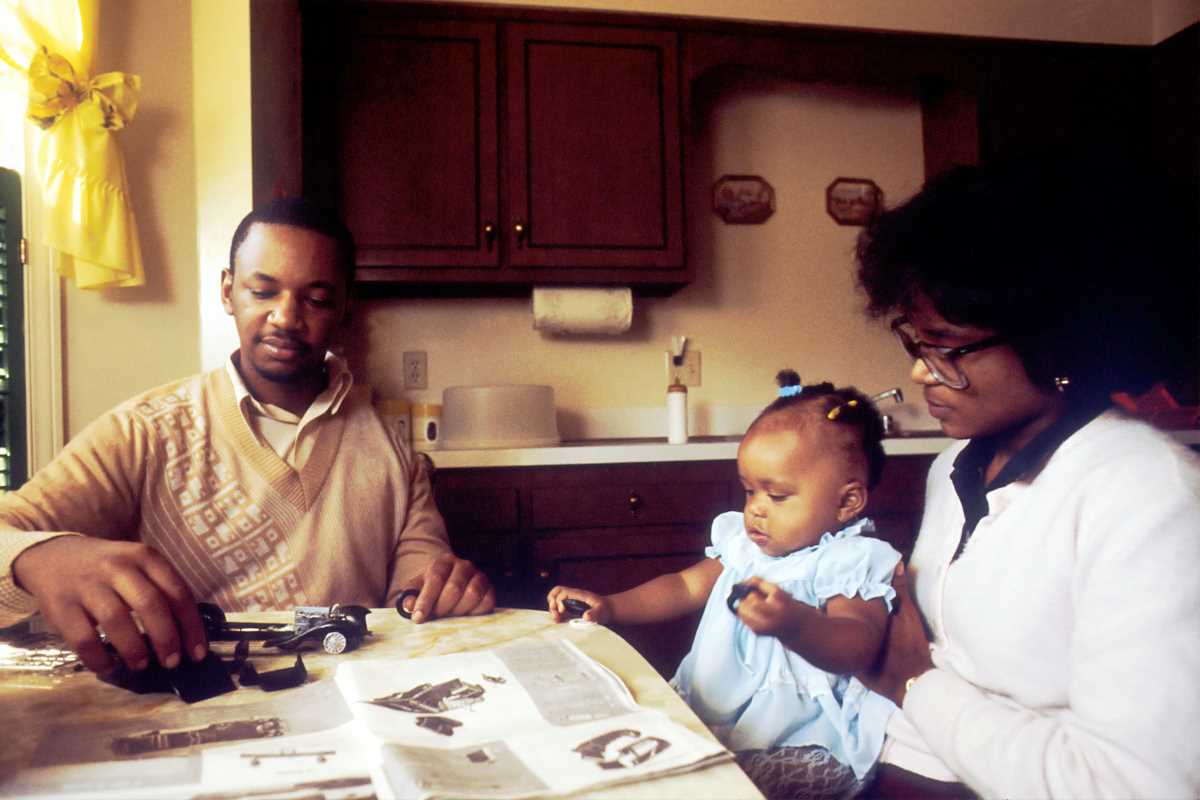
You don’t have to be an expert. It's okay if you’re still learning about your own history. Be honest about it and invite your kids to learn alongside you. Turning it into a shared journey of discovery can be a powerful bonding experience for the whole family.
Make Family History Come Alive
Kids love a good story, and your family history is full of them. These personal narratives are far more engaging than any textbook because they are about real people your kids are connected to.
- Share the Small Details: It’s often the little things that stick. Talk about your great-aunt’s quirky sense of humor, the music your grandpa loved, or the challenges your parents overcame. These details transform ancestors from just names into relatable human beings.
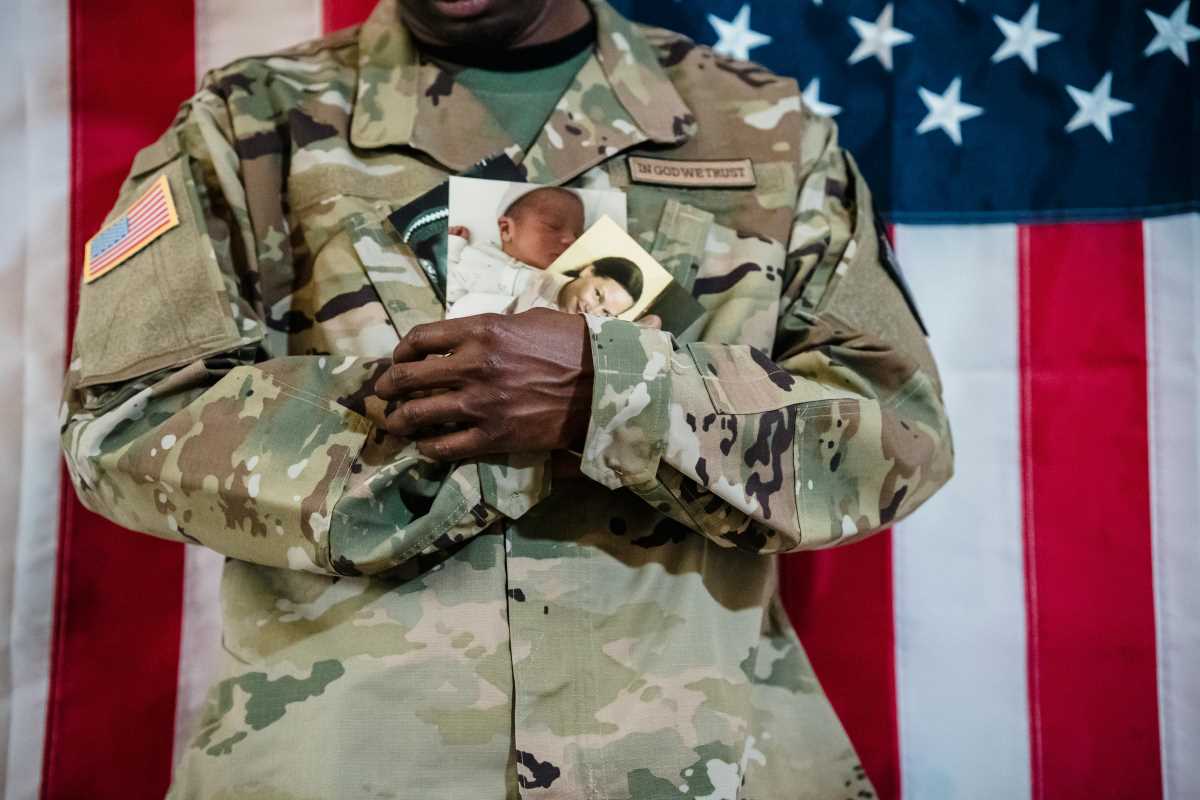
- Use Old Photos as Conversation Starters: Pull out old family albums or scroll through digitized photos. Ask your kids what they notice about the pictures. What are people wearing? What do their expressions say? Let them ask questions and turn it into a fun-filled detective game.
- Create a Family Tree Together: Make it a visual project. You can draw a tree on a large piece of paper or use a simple online tool. As you add each name, share a small story or a fun fact about that person. This helps your kids see how they fit into a much larger family story.
When history is personal, it becomes memorable. It’s no longer a boring subject in school; it’s the epic saga of their own family.
Celebrate, Don't Just Educate
Learning about heritage should feel like a celebration, not a chore. Weaving cultural traditions into your family life makes them a source of joy and excitement.
- Embrace Cultural Holidays: Go beyond just marking the date on a calendar. Cook traditional foods, decorate your home, and explain the meaning behind the rituals in an age-appropriate way. Involving your kids in the preparations—whether it’s making decorations or helping with a special meal—gives them a sense of ownership and pride.
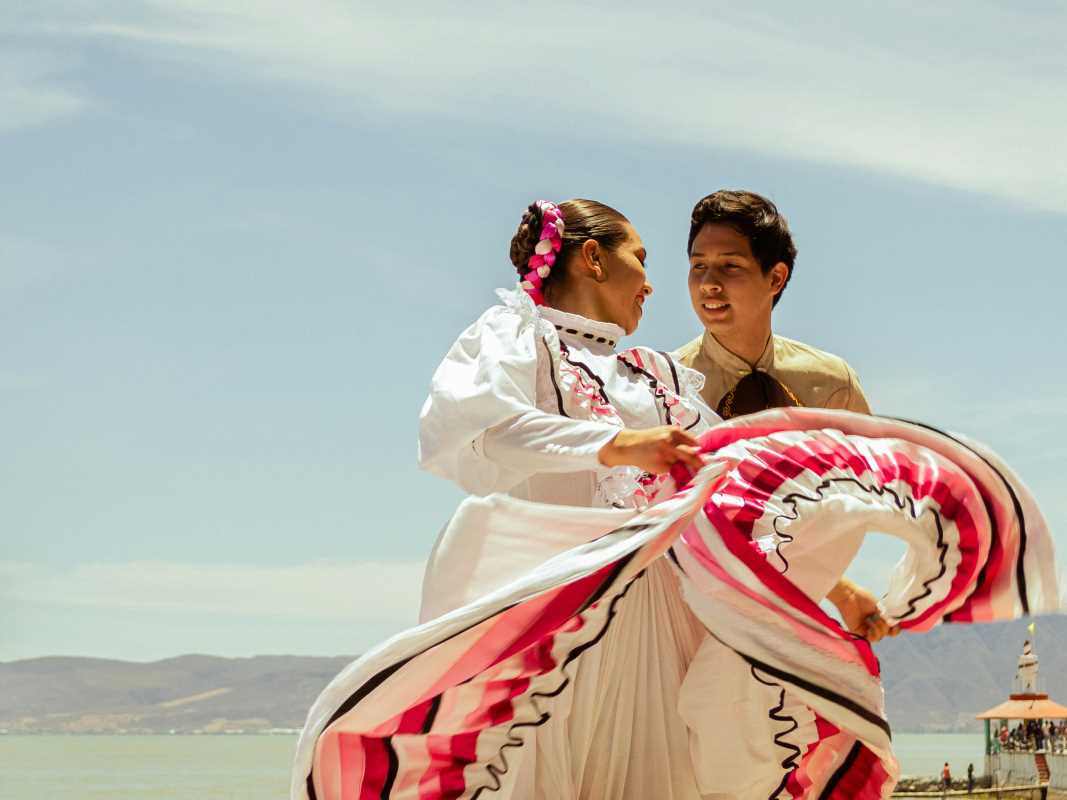
- Incorporate Music and Dance: Create a playlist of music from your culture and have family dance parties. Music is an emotional and physical experience that can create a strong cultural connection. Learning a traditional dance together can be a fun and active way to engage with your roots.
- Language is a Gateway: Even learning a few key phrases or words in your ancestral language can be incredibly empowering. Teach your kids how to say "hello," "thank you," or "I love you." Label items around the house with their names in that language. It makes the culture a tangible part of their daily environment.
Foster Open Conversations About Identity
Being proud of your roots also means being prepared to talk about identity in a complex world. It’s important to create a safe space where your kids can ask questions and explore what their heritage means to them.
- Talk About Similarities and Differences: Acknowledge that people come from diverse backgrounds. Use books, movies, and TV shows to introduce your kids to different cultures. This helps them understand that having a unique heritage is something everyone shares, and it normalizes conversations about cultural differences.
- Address Questions About Race and Prejudice: Don’t shy away from tough conversations. If your child experiences or witnesses prejudice related to their background, address it directly. Give them the language to identify unfairness and the confidence to stand up for themselves and others. Reassure them that their identity is a source of strength.
- Validate Their Unique Experience: Your child’s experience of their culture might be different from yours, especially if they are part of a multicultural family. Honor their unique identity. Let them know that they can embrace all parts of their background and that they don’t have to choose one over the other.
These conversations build emotional intelligence and resilience, equipping your kids to navigate the world with confidence.
The Lifelong Gift of Strong Roots
Raising kids to be proud of their heritage is one of the most profound gifts you can give them. A strong sense of identity provides an anchor in a sometimes-unpredictable world. It gives them a foundation of self-esteem, a community to belong to, and a story that is uniquely theirs.