 (Image via
The body positivity movement has swept across social media, championing the idea that all bodies are good bodies. It’s a powerful message of self-love and acceptance. But if you’re a part of the Black or Latinx community, you know that this conversation isn’t one-size-fits-all. The way we talk about and experience our bodies is deeply shaped by our culture, history, and the unique pressures we face.
For us, body positivity isn’t just about loving your reflection. It’s about navigating generations of cultural beauty standards, challenging mainstream ideals that have often excluded us, and celebrating the features that make us who we are. It’s a conversation that hits different because our bodies have always been part of a bigger story.
So, why does body positivity feel so unique in our communities? Let’s get into it.
The Cultural Blueprint: Thick Thighs and Family Commentary
Long before "body positivity" became a trending hashtag, many Black and Hispanic households had their own ideas about what a beautiful body looked like. For many, curves weren't just accepted; they were celebrated. A little extra weight was often seen as a sign of health, wealth, and happiness. Think about it: how many times have you heard a tia or an auntie say, "Estás muy flaca, you need to eat!" or "Look at those healthy thighs!"?
This cultural appreciation for fuller figures can be a beautiful thing. It provides a built-in defense against the ultra-thin beauty standards that have dominated mainstream media for decades. In our communities, having hips, a butt, and thighs was often the ideal. This is a huge contrast to the pressure many other groups face to be as small as possible.
But it’s not always that simple, is it? The same family members who praise curves can also be quick to comment when you gain or lose weight. A loving "You're getting thick!" can easily turn into a critical "You need to watch yourself." This mix of celebration and scrutiny can be confusing. It creates a complicated relationship with our bodies where we’re trying to fit a specific cultural mold while also just trying to exist.
The Pressure to "Fit In" and Stand Out
While our communities often celebrate certain body types, we also face immense pressure from the outside world. Mainstream media has historically centered a very narrow, Eurocentric standard of beauty: thin, fair-skinned, and straight-haired. For Black and Brown girls, this often meant feeling invisible or "othered."
This creates a difficult balancing act. On one hand, you have your family and culture telling you one thing about beauty. On the other hand, you have TV, movies, and magazines showing you a completely different picture. This can lead to a feeling that you have to choose—do you embrace your natural curves and features, or do you try to conform to a standard that was never designed for you?
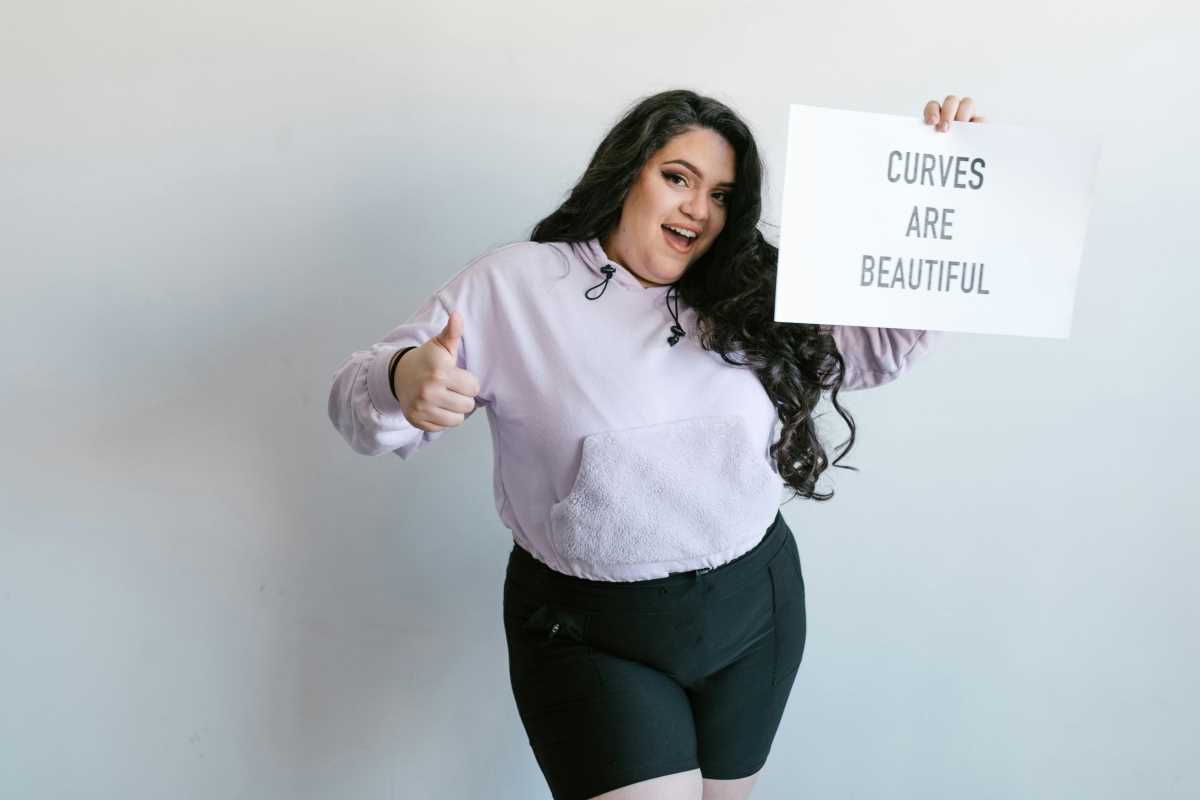
This is where body positivity in our communities becomes a powerful act of resistance. It’s about rejecting the idea that we need to change ourselves to be considered beautiful. It's about saying our bodies, in all their diverse shapes, sizes, and shades, are worthy of celebration.
Reclaiming the Narrative: How We’re Changing the Game
The good news is that we are no longer waiting for mainstream media to catch up. Black and Latina creators, artists, and activists are taking control of the narrative and creating spaces where our bodies are celebrated authentically.
Here’s how it’s happening:
- Social Media Takeover: Platforms like TikTok and Instagram have become hubs for a new kind of body positivity. Creators are showcasing their diverse body types with pride. They’re making content that celebrates everything from stretch marks and cellulite to the beauty of different skin tones. They are using their platforms to share stories, build community, and show the world what real beauty looks like.
- Art and Expression: Artists are creating powerful work that challenges traditional beauty standards. Murals, paintings, and photography are celebrating the bodies and features that have been historically ignored. This art is not just beautiful; it's a political statement that reclaims our image.
- Community Support: The concept of "it takes a village" applies to body image, too. In our communities, we are building support systems that foster self-love. Friends hype each other up, online groups share resources, and we collectively celebrate each other's beauty. This sense of community provides a powerful buffer against negativity.
The Complexities of Colorism and Featurism
We can’t talk about body image in our communities without addressing colorism and featurism. Within both Black and Latinx cultures, there is often a preference for lighter skin and more European-like features. This adds another complicated layer to the body positivity conversation.
For many, learning to love their body also means learning to love their skin color, their hair texture, and their unique facial features. It’s about unlearning the harmful idea that one shade or feature is better than another.
This is why representation matters so much. When we see people who look like us—with dark skin, broad noses, and coily hair—being celebrated as beautiful, it validates our own existence. It sends a powerful message that all our features are worthy of love.
Embracing Yourself Is the Ultimate Goal
The journey to body positivity is personal, and it looks different for everyone. In our communities, it’s a rich, complex, and deeply cultural experience. It’s about honoring the traditions that celebrate our bodies while also challenging the ideas that hold us back.
It's about finding the balance between your abuela’s loving advice and your own sense of what feels right for your body. It’s about celebrating your curves, your skin tone, and your heritage with unapologetic pride.
The most empowering part of this journey is realizing that you don’t have to fit into any single box—not the one created by mainstream media, and not even the one defined by cultural expectations. Your body is your own. It tells the story of your ancestors, your experiences, and your unique journey.