 (Image via
Have you ever noticed how your parents or grandparents have a go-to food for everything? A cold means a specific kind of soup, an upset stomach calls for a certain tea, and feeling run down requires a special dish that seems to work like magic. It might feel like an old-school way of thinking, but they’re onto something huge. The idea that food can be medicine is a concept that cultures all over the world have understood for centuries.
Long before we had pharmacies on every corner, people looked to their kitchens and gardens for healing. They knew that the right ingredients could soothe an ache, boost energy, and keep you strong. This isn't just about eating your veggies; it's about a deep, cultural wisdom that connects what we eat to how we feel.
Today, we're rediscovering this power. We're looking beyond trendy diets and quick fixes to see how traditional foods can support our modern lives. Ready to explore some of the most potent healing recipes from around the globe? Let’s take a trip to a few kitchens where food is truly the best medicine.
India: The Golden Power of Turmeric
If there's one ingredient that screams "healing," it's turmeric. In India, this vibrant yellow spice is more than just a flavor enhancer; it's a cornerstone of Ayurvedic medicine, a traditional system of healing that has been practiced for over 3,000 years.
The magic ingredient in turmeric is curcumin, a compound with powerful anti-inflammatory and antioxidant properties. Inflammation is at the root of many modern health issues, from sore muscles to skin problems, so adding turmeric to your diet is a major win for your overall wellness.
Try This: Healing Golden Milk (Haldi Doodh)
This warm, comforting drink is a go-to remedy in Indian households for colds, coughs, and sleeplessness. It’s like a hug in a mug.
What You'll Need:
- 1 cup of milk (dairy or plant-based like almond or oat)
- 1 teaspoon of ground turmeric
- 1/2 teaspoon of ground cinnamon
- A pinch of black pepper (this is key, as it helps your body absorb the curcumin!)
- A small piece of fresh ginger, grated (optional)
- 1 teaspoon of honey or maple syrup to taste
How to Make It:
- Gently warm the milk in a small saucepan over medium heat. Don't let it boil.
- Whisk in the turmeric, cinnamon, black pepper, and ginger. Keep whisking until everything is smooth and combined.
- Let it simmer for a few minutes to allow the flavors to meld together.
- Pour into your favorite mug, stir in your sweetener, and enjoy the cozy vibes.
East Asia: The Soul-Soothing Magic of Bone Broth
From China to Vietnam to Korea, slow-simmered broths are a staple of health and healing. Bone broth, in particular, has been a traditional remedy for generations, celebrated for its ability to support gut health, boost immunity, and strengthen joints.
The secret is in the slow-cooking process. Simmering bones for hours releases valuable nutrients like collagen, gelatin, and amino acids. Collagen is amazing for your skin, hair, and nails, while the other compounds help to soothe the digestive tract and reduce inflammation. It’s the original superfood.
Try This: Simple & Nourishing Chicken Broth
You don’t need a fancy recipe to make a healing broth. It’s all about a few quality ingredients and a lot of patience.
What You'll Need:
- The carcass of a roasted chicken (or about 2-3 lbs of chicken bones)
- Vegetable scraps like onion peels, carrot ends, and celery tops
- A few cloves of garlic, smashed
- A bay leaf
- A splash of apple cider vinegar (this helps pull the minerals from the bones)
- Enough water to cover everything
How to Make It:
- Place the chicken bones, vegetable scraps, garlic, and bay leaf in a large stockpot or slow cooker.
- Add the splash of apple cider vinegar and cover everything with water.
- Bring it to a boil, then reduce the heat to a low simmer. Let it cook for at least 8 hours, or up to 24 hours in a slow cooker. The longer it cooks, the more nutrients it will have.
- Strain the broth through a fine-mesh sieve, discarding the solids.
- You can drink it warm on its own or use it as a base for soups and stews.
Africa: The Refreshing Power of Hibiscus
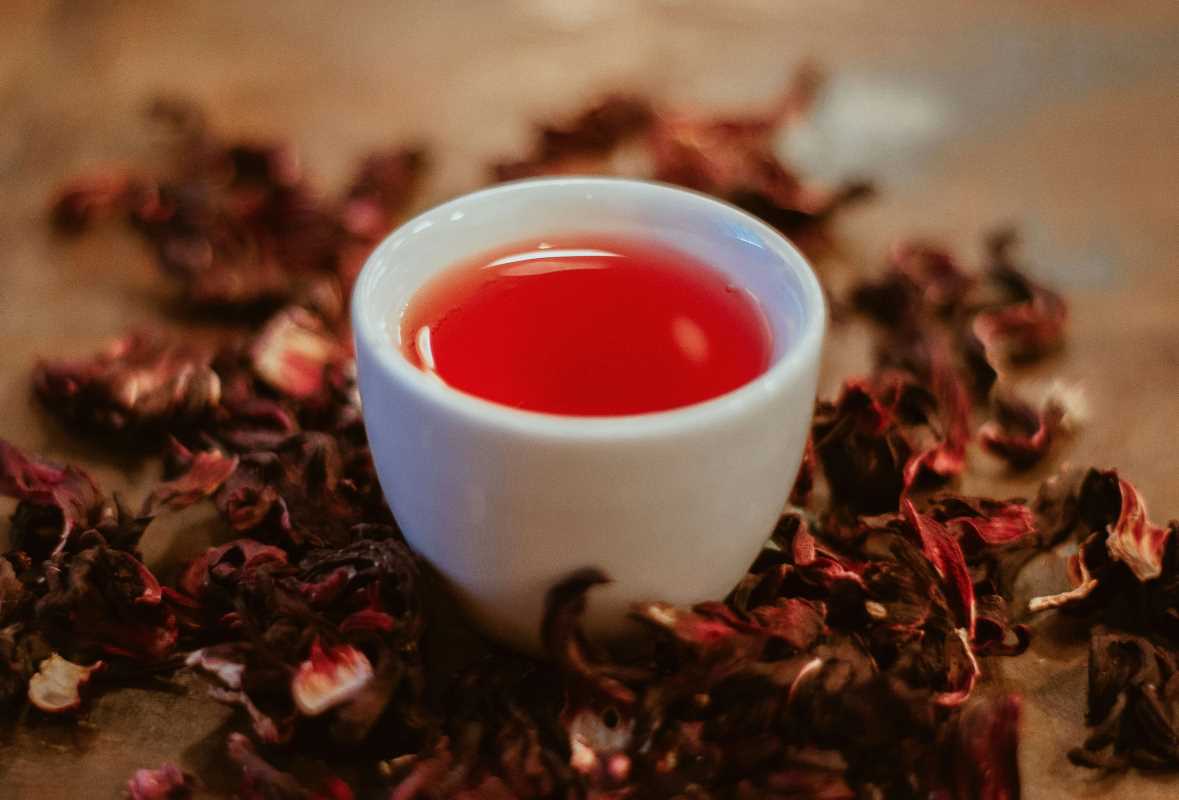
Across West Africa and the Caribbean, a bright red, floral tea is a symbol of hospitality and health. Known as Bissap in Senegal, Zobo in Nigeria, and Sorrel in Jamaica, this drink is made from the dried petals of the hibiscus flower.
Hibiscus is packed with antioxidants, especially vitamin C, which is a major immune booster. It has also been traditionally used to help lower blood pressure and support liver health. Its tart, cranberry-like flavor is incredibly refreshing, making it perfect as a hot tea or a cold iced drink.
Try This: Cooling Hibiscus Iced Tea
This vibrant drink is perfect for a hot day or when you’re feeling a little under the weather and need a boost.
What You'll Need:
- 1/2 cup of dried hibiscus flowers
- 4 cups of water
- A few slices of fresh ginger
- A cinnamon stick
- Honey, agave, or sugar to taste
- Lime or lemon slices for garnish
How to Make It:
- In a saucepan, bring the water, ginger, and cinnamon stick to a boil.
- Turn off the heat and add the dried hibiscus flowers. Stir well.
- Let it steep for about 15-20 minutes. The longer it steeps, the stronger and more tart it will be.
- Strain the tea into a pitcher, discarding the solids.
- Stir in your sweetener while the tea is still warm so it dissolves easily.
- Let it cool completely, then chill it in the fridge. Serve over ice with a slice of lime.
Latin America: The Gentle Strength of Yerba Mate
In countries like Argentina, Uruguay, and Brazil, sharing Yerba Mate is a central part of social life. But this caffeinated herbal tea is more than just a coffee alternative; it's a nutritional powerhouse.
Yerba Mate is loaded with antioxidants, vitamins, and minerals. It provides a clean, sustained energy boost without the jitters that coffee can sometimes cause. It has also been traditionally used to aid digestion and support mental focus. It's the perfect drink for powering through a study session or a long day at work.
Try This: A Modern Take on Yerba Mate
Traditionally, Mate is enjoyed from a gourd with a special filtered straw called a bombilla. But you can easily make it at home just like any other loose-leaf tea.
What You'll Need:
- 2 tablespoons of loose-leaf Yerba Mate
- 1 cup of hot (not boiling) water
- A tea infuser or French press
How to Make It:
- Heat the water until it's steamy but not boiling (around 170°F or 77°C). Boiling water can make the Mate taste bitter.
- Place the loose-leaf Yerba Mate in your infuser or French press.
- Pour the hot water over the leaves and let it steep for 3-5 minutes.
- Remove the infuser or press the plunger down. You can enjoy it plain or add a little honey and a splash of milk.
These recipes are just a small glimpse into a world of cultural wisdom that has stood the test of time. They remind us that taking care of ourselves doesn't always require expensive supplements or complicated routines. Sometimes, the most powerful healing comes from simple, whole foods prepared with intention.