 (Image via
There's a special kind of magic that happens on a Sunday afternoon. The air gets a little quieter, the day slows down, and for many of us, the kitchen becomes the heart of the home. If you grew up in a Black family, you know exactly what I’m talking about. It’s the day for soul food—a meal so deeply woven into our culture that the smell of frying chicken or simmering greens can feel like a time machine.
Sunday dinner is more than just a meal. It's a ritual. It’s the time when everyone—aunties, uncles, cousins, and grandparents—gathers around a table piled high with food made from recipes passed down through generations. But what’s served on those platters is only half the story. The other half is told through laughter, advice, and the sharing of memories that nourish our spirits just as much as the food nourishes our bodies.
These gatherings are about connection. They are a living, breathing archive of our family history, served up with a side of macaroni and cheese. So, let’s pull up a chair and talk about why Sunday soul food is one of the most powerful traditions we have.
The Menu Is a Map of Our History
Every dish on a soul food table has a story. It’s a culinary map that traces our roots from West Africa, through the hardships of slavery, and into the vibrant communities we’ve built today. The ingredients and techniques are a testament to the ingenuity and resilience of our ancestors. They took the ingredients they had and transformed them into something extraordinary.
- Collard Greens: Simmered for hours with smoked turkey or ham hocks, these greens are a direct link to the leafy vegetables of West African cuisine. The long, slow cooking process was a way to make tough greens tender and flavorful. Every family has their own secret to their greens—a dash of vinegar, a sprinkle of red pepper flakes. That secret is a piece of family history.
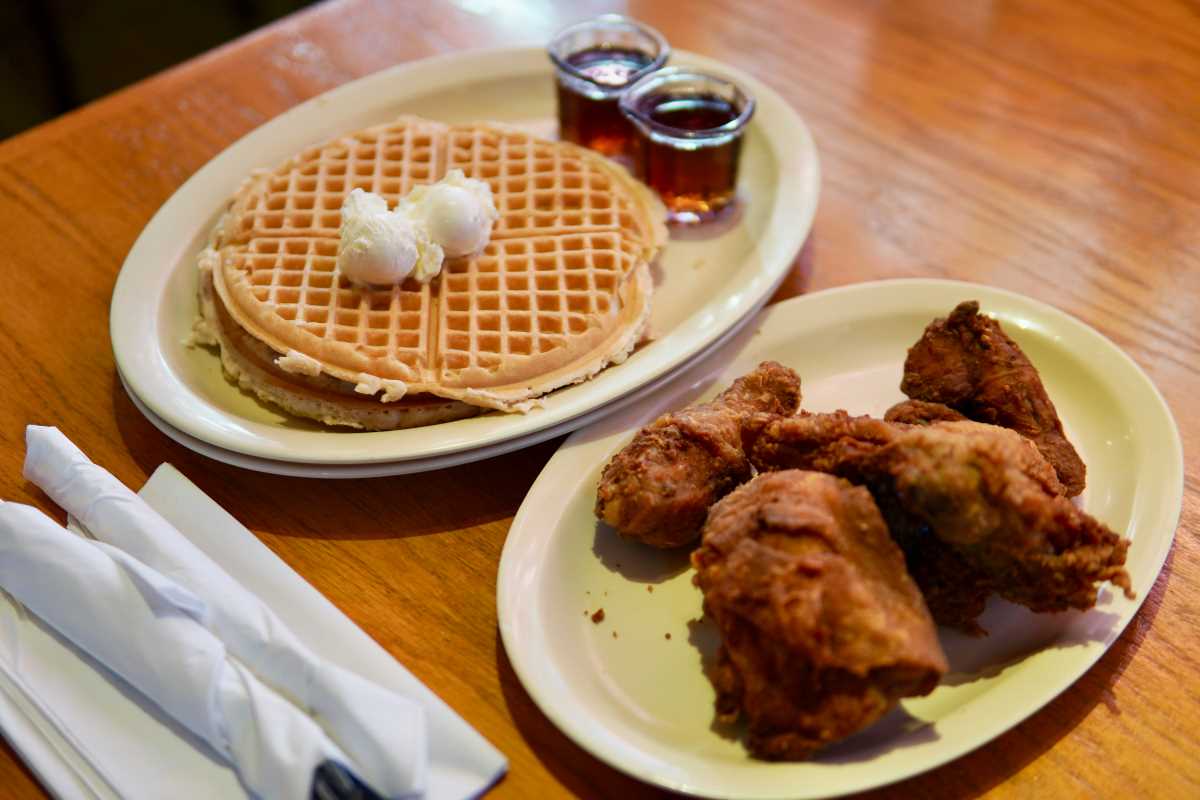
- Fried Chicken: Is it even Sunday without fried chicken? The crispy, seasoned skin and juicy meat is the star of the show. While frying food wasn't unique to one culture, the specific seasoning blends and the technique of deep-frying chicken became a staple of Southern Black cooking. It was a dish for celebrations, a dish that said, "Today is special."
- Macaroni and Cheese: We’re not talking about the kind from a box. We’re talking about the baked, cheesy, custard-like masterpiece that someone’s grandma perfected. This dish, often considered a comfort food, was adopted and adapted, becoming a soul food essential. Getting the recipe for the family mac and cheese is like being handed a sacred text.
- Cornbread: Whether you like it sweet or savory, cornbread was a staple grain. It was affordable, versatile, and filling. It was used to sop up the "potlikker" from the greens or crumble into a glass of milk. It’s a symbol of making something delicious and sustaining out of simple ingredients.
These dishes are our heritage on a plate. Making them and eating them is a way of honoring the people who came before us.
The Table Is Where Stories Come to Life
The food brings us to the table, but the stories keep us there. The Sunday dinner table is where the family oral history is written and rewritten. It’s where you learn things you’d never find in a history book.
It’s where your grandfather tells you, for the tenth time, about the time he met a famous musician, and you listen like it’s the first. It’s where your auntie shares gossip that’s so funny you almost choke on your potato salad. It’s where you hear about your parents’ childhoods—the games they played, the trouble they got into—and you start to see them as more than just your parents.
These stories do more than just entertain. They connect us to our lineage. They teach us about resilience, about joy in the face of struggle, and about the importance of family. They remind us that we are part of a long, unbroken chain. The laughter, the arguments about which football team is better, and the quiet moments of shared understanding—it all happens around the food.
A Lesson in Every Bite
The kitchen itself is a classroom. For many of us, it’s where we learned our first lessons in patience, precision, and love. Standing beside a parent or grandparent, you weren’t just learning how to make a dish; you were learning life skills.
You learned patience waiting for the dough to rise. You learned about generosity as you watched portions being set aside for a neighbor who couldn't make it. You learned that love is a tangible ingredient—it’s the extra time spent seasoning the chicken, the care taken to make sure the cornbread doesn’t burn, and the joy of watching someone take their first bite.
These lessons stick with you. They become a part of how you move through the world. The act of preparing and sharing a meal is an act of community building. It teaches us how to care for one another.
Keeping the Tradition Alive in a Modern World
Our lives are busier now. We’re scattered across different cities, and the idea of a big, weekly family dinner can feel like a distant dream. But the spirit of Sunday soul food is not about a rigid schedule; it’s about intentional connection.
Maybe your Sunday dinner is a potluck with your chosen family of friends. Maybe it’s a FaceTime call with your mom while you both try to replicate her sweet potato pie recipe. Maybe it’s you, cooking for yourself, putting on some good music, and finding comfort in the familiar smells of your childhood.
The tradition evolves, but its core purpose remains the same: to create a moment of connection and to nourish our souls. It’s about taking the time to slow down, to be present, and to remember where we come from.
Food is a powerful unifier. It crosses generational divides and brings people together in a way that few other things can. The legacy of Sunday soul food is a beautiful reminder that our culture is rich, our history is deep, and our family bonds are the most nourishing things we will ever have. So, whatever your Sunday looks like, find a way to serve up a little bit of that soul.