 (Image via
Do you remember the first time you brought your partner home for a family meal? It can be a nerve-wracking experience for anyone, but in an interracial relationship, it’s a whole different level. The food on the table is often the first real introduction to your culture. It’s a sensory deep dive into your history and your identity.
When your partner takes that first bite of mofongo or your family’s famous gumbo, you hold your breath. Will they like it? Will they get it? Their reaction feels like a verdict not just on the food, but on a piece of who you are. When they go back for a second helping, it’s more than just a compliment to the chef; it feels like an acceptance of your world.
This is where the adventure begins. You start to explore each other's culinary landscapes. One night might be a journey into the world of sofrito, adobo, and sazón. The next might be an exploration of soul food staples like collard greens, baked mac and cheese, and fried chicken. Each meal is a delicious discovery, a way to learn about your partner’s childhood, their family, and the flavors that feel like home to them.
Creating Your Own Fusion Cuisine
The real fun starts when you move beyond just taking turns with each other's cuisines and begin to mix them. This is where your kitchen becomes a creative lab. It’s a space where you can experiment, make mistakes, and invent new dishes that are uniquely yours.
What does this fusion look like?
- The Ultimate Side Dishes: Imagine a Thanksgiving table where a heaping bowl of arroz con gandules sits right next to a creamy green bean casserole. Or where sweet potato pie and flan are both acceptable dessert options. It’s the best of both worlds.
- Creating Hybrid Meals: This is where things get really interesting. Maybe you make "Jerk Chicken Tacos" or add a little kick of soul food seasoning to your empanada filling. You start to see how flavors that seem so different can actually complement each other in surprising and delicious ways.
- Breakfast Mashups: Why choose between a classic American breakfast and a traditional Latin one? You can have scrambled eggs with a side of refried beans and fried cheese, creating a morning meal that honors both traditions.
These fusion meals are more than just a fun experiment. They are a metaphor for your relationship. You’re taking two distinct, wonderful things and creating something new and beautiful together.
The Challenges on the Way to Deliciousness
Let's be real, it's not always a smooth process. Blending culinary traditions can come with its own set of challenges.
Have you ever tried to explain to a partner why it’s completely normal to have a whole roasted pig at a Christmas celebration? Or why certain foods are reserved only for specific holidays? These conversations can be a mix of funny and frustrating. What is a cherished tradition to you might seem strange or unfamiliar to them.
Then there’s the spice level. One person’s “mild” is another person’s “five-alarm fire.” Finding a happy medium can take some serious negotiation and a lot of trial and error.
But these challenges are also opportunities. They force you to communicate, to explain the "why" behind your traditions, and to learn to appreciate your differences. Every time you successfully navigate one of these small hurdles, you’re not just figuring out dinner; you’re strengthening your relationship.
Passing Down a New Set of Traditions
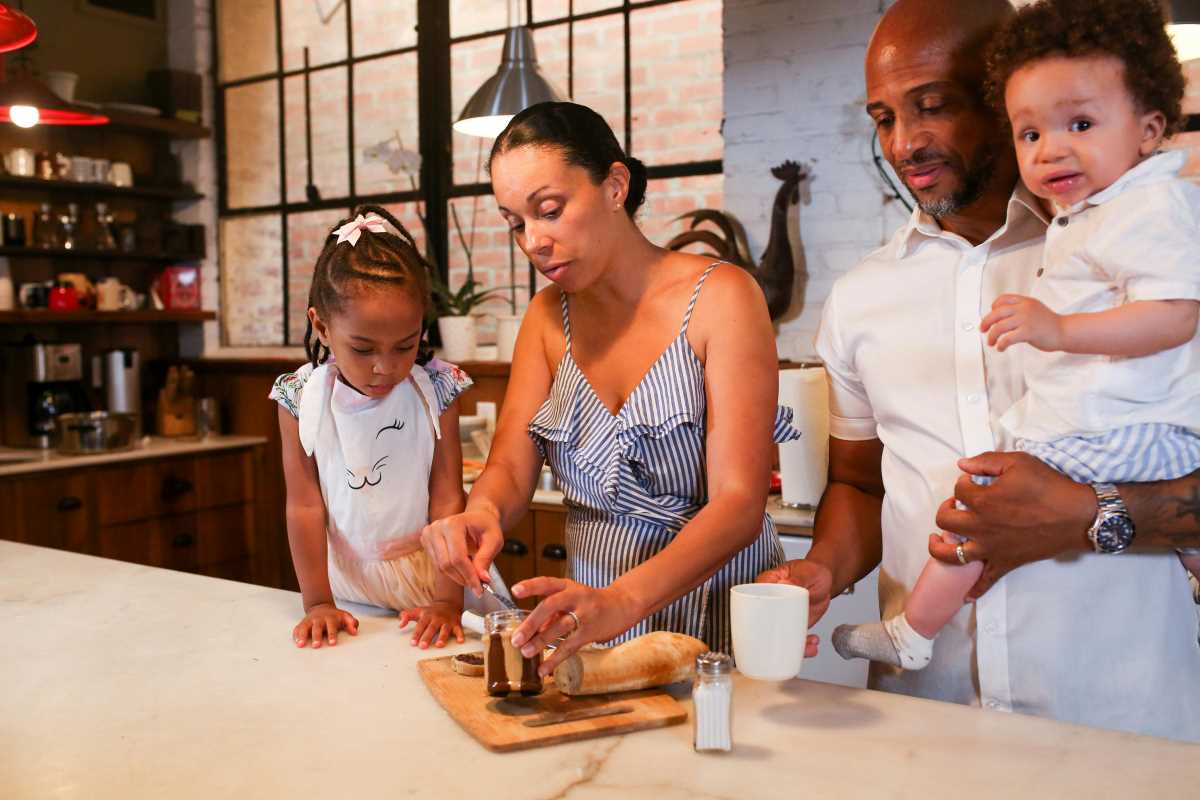
One of the most beautiful outcomes of mixing cultures in the kitchen is the new set of traditions you create for your own family. Your children will grow up in a home where the culinary landscape is rich and diverse.
Their comfort food might be a mix of your culture and your partner’s. They’ll learn to cook recipes from both sides of the family, and they’ll see from a young age that there is more than one way to make a delicious meal. They will grow up with a palate that is open and adventurous and a heart that is understanding of different cultures.
When they get older, the recipes they’ll ask for won't be from just one cookbook. They’ll want to learn how to make Grandma’s peach cobbler and Abuela’s tostones. You’re not just teaching them how to cook; you’re giving them a tangible connection to their multi-faceted heritage.
Food Is Love, in Any Language
At the end of the day, the act of cooking for someone is a universal expression of love. It doesn’t matter if you’re making plantains or peach cobbler; the intention is the same. You are taking the time to create something that will nourish and bring joy to the people you care about.
In an interracial family, food becomes a powerful tool for connection. It’s a way to celebrate your differences while also creating a shared identity. It’s a daily reminder that love can bridge any gap and that when you bring two worlds together, the result can be incredibly sweet.